
Retail & E-commerce IT Solutions: A Buyer's Guide for GCC Businesses
A comprehensive guide for retail chains, e-commerce platforms, and consumer brands in the GCC on sourcing IT vendors, evaluating technology solutions, and achieving 10-30% cost savings through competitive procurement.
 Oyifa
Oyifa 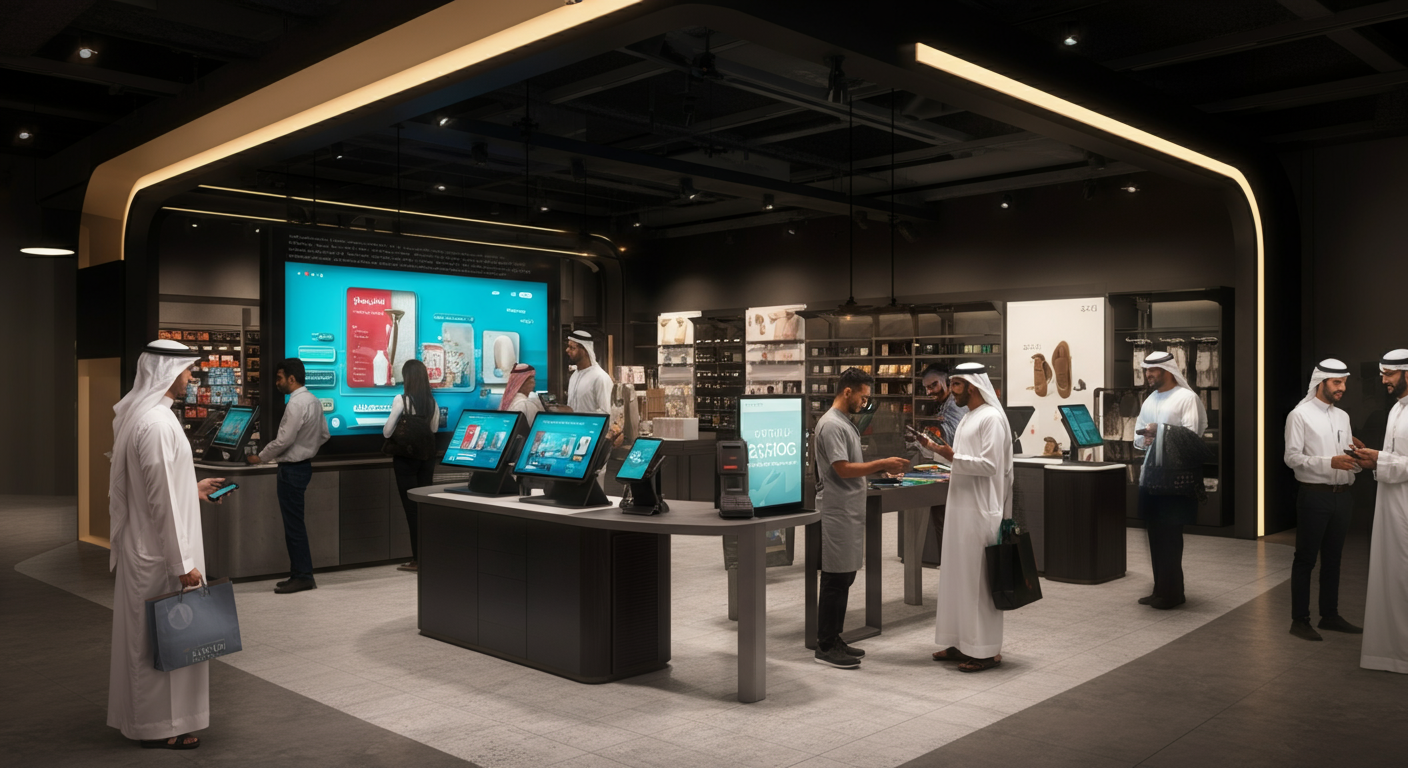
The retail landscape in the GCC is undergoing a seismic shift. By 2026, the distinction between online and offline retail has virtually disappeared, replaced by seamless omnichannel experiences that meet customers wherever they are. For retail chains, e-commerce platforms, fashion brands, and consumer goods companies across the UAE, Saudi Arabia, and the broader Gulf region, digital transformation is no longer optional—it's the price of admission to compete.
Today's consumers expect personalized recommendations powered by AI, frictionless mobile commerce experiences, and the ability to browse online and pick up in-store within hours. They expect their loyalty points to work across all channels, their shopping carts to sync between devices, and customer service to remember their entire purchase history. Delivering on these expectations requires sophisticated IT infrastructure—and finding the right technology partners to build it.
The IT Stack Every Modern Retail Business Needs
Whether you're operating a chain of fashion boutiques in Dubai Mall, running a regional e-commerce platform, or managing distribution for consumer goods across the GCC, your technology requirements share common threads:
- E-commerce platforms that handle high traffic, multiple payment gateways, and complex logistics integrations
- Modern POS systems that work offline, sync inventory in real-time, and integrate with loyalty programs
- Inventory management systems that provide visibility across warehouses, stores, and fulfillment centers
- CRM platforms that unify customer data from all touchpoints and enable personalized marketing
- Mobile applications that drive engagement, enable mobile payments, and support in-store experiences
- Digital marketing tools for email campaigns, social commerce, and performance tracking
- Analytics and business intelligence platforms that turn transaction data into actionable insights
The challenge isn't identifying what you need—it's finding vendors who understand both the technology and the unique operational realities of retail. A developer who's built banking apps won't necessarily understand the complexities of size-variant inventory management, seasonal demand forecasting, or the integration challenges of connecting a Shopify storefront with a legacy ERP system running your warehouse operations.
The Hidden Cost of Traditional IT Procurement
Most retail businesses in the GCC source IT services through one of three channels: established digital agencies, referrals from their network, or direct approaches from vendors. Each comes with significant hidden costs.
Traditional agencies typically add 30-50% markup on development work, often subcontracting to the same freelancers and development shops you could engage directly. A fashion retailer in Riyadh recently discovered they were paying $180,000 for a mobile app that the actual development team was building for $95,000—the agency pocketed the $85,000 difference for project management that added minimal value.
Referral-based hiring eliminates competition. When you engage the first vendor your network recommends, you have no baseline for evaluating whether their $200,000 quote for an e-commerce platform is reasonable or inflated by 40%. You're also locked into their technology choices, timeline estimates, and pricing structure with no leverage to negotiate.
The alternative—competitive procurement through specialized tender platforms—consistently delivers 10-30% cost savings while improving vendor quality. When five qualified e-commerce IT vendors compete for your project, market forces drive both pricing and quality in your favor.
What Separates Exceptional Retail IT Vendors from the Rest
Not all IT vendors are created equal, and retail technology requires specific expertise that general software development firms often lack. When evaluating potential partners, prioritize these characteristics:
Demonstrated Retail Industry Experience
Ask to see their retail portfolio. Have they built e-commerce platforms that handle flash sales with 10,000 concurrent users? Do they understand the complexities of multi-currency pricing, VAT calculations across GCC countries, and integration with regional payment gateways like Telr, PayTabs, and Checkout.com? A vendor who's built POS systems for hospitality won't automatically understand the requirements for fashion retail with size/color variants and seasonal inventory cycles.
Scalability Architecture
Your e-commerce platform needs to handle normal traffic of 500 concurrent users and scale to 5,000 during Ramadan sales or Black Friday without crashing. Your inventory system needs to manage 10 stores today and 50 stores in three years. Vendors should articulate their approach to scalability using cloud infrastructure, microservices architecture, and load balancing—not just promise that "it will scale."
Integration Capabilities
Retail IT systems never exist in isolation. Your new e-commerce platform needs to integrate with your existing ERP, your POS system needs to sync with your inventory management software, and your CRM needs to pull data from both online and offline channels. Ask vendors about their API development experience, their approach to system integration, and whether they've worked with the specific platforms in your current tech stack.
Support Responsiveness and SLAs
When your e-commerce site goes down during peak shopping hours, every minute costs revenue. When your POS system fails across 20 stores, you're losing sales and frustrating customers. Clarify support terms before signing: What are guaranteed response times? Is 24/7 support available? What's included in the base contract versus paid support packages? A vendor offering 48-hour response times for critical issues is unacceptable for retail operations.
Technology Investments That Drive Retail ROI in 2026
While every retail business has unique needs, certain technology investments consistently deliver measurable returns:
AI-Powered Personalization Engines
Recommendation engines that analyze browsing behavior, purchase history, and similar customer patterns can increase average order value by 15-30%. A home goods retailer in Dubai implemented AI-driven product recommendations and saw their conversion rate improve from 2.1% to 3.4% within three months—a 62% increase that translated to millions in additional revenue.
Mobile-First Solutions
In the GCC, mobile commerce accounts for over 65% of online transactions. Your e-commerce platform must deliver exceptional mobile experiences—fast loading times, intuitive navigation, one-tap checkout. Consider progressive web apps (PWAs) that combine the reach of websites with the engagement of native apps, or invest in native iOS and Android applications if your customer base justifies the higher development cost.
Cloud Infrastructure
Cloud-based systems offer scalability, reliability, and cost efficiency that on-premise infrastructure can't match. AWS, Google Cloud, and Microsoft Azure all have regional data centers in the GCC, ensuring low latency and data residency compliance. Cloud infrastructure also enables rapid deployment of new features and automatic scaling during traffic spikes.
Omnichannel Platforms
True omnichannel systems unify inventory, customer data, and order management across all channels. Customers can browse online, reserve items, and pick up in-store. They can start a purchase on mobile and complete it on desktop. They can return online purchases at physical locations. Platforms like Shopify Plus, Magento Commerce, and custom-built solutions can deliver these capabilities—but only if implemented by vendors who understand the operational complexities.
How to Source IT Vendors: A Strategic Approach
The most effective procurement strategy combines three elements: clear requirements definition, competitive bidding, and rigorous vendor evaluation.
Define Requirements Before Engaging Vendors
Document your functional requirements, technical constraints, integration needs, and success metrics. Be specific: "We need an e-commerce platform that supports 50,000 SKUs, integrates with our SAP ERP system, handles 10,000 concurrent users, and supports Arabic and English interfaces" is far more useful than "We need an online store."
Use Tender Platforms for Competitive Bidding
Specialized procurement platforms connect you with pre-vetted IT vendors who compete for your project. Post your requirements once and receive multiple proposals, enabling direct comparison of pricing, timelines, and approaches. This process consistently delivers better outcomes than single-vendor negotiations—both in cost and quality.
Evaluate Vendors Systematically
Create a scoring matrix that weights factors like retail experience (25%), technical approach (20%), pricing (20%), timeline (15%), support terms (10%), and references (10%). This prevents decisions based solely on price or personal rapport and ensures you're evaluating what actually matters for project success.
Critical Questions to Ask Every Potential Vendor
During vendor evaluation, these questions separate experienced retail technology partners from generalists trying to break into the sector:
- "Show us three e-commerce platforms or retail systems you've built in the past two years. What were the unique challenges and how did you solve them?"
- "Have you integrated with [your specific ERP/POS/payment gateway]? What challenges should we anticipate?"
- "What's your support model post-launch? What response times do you guarantee for critical issues?"
- "Break down your pricing: what's included in the base quote versus additional costs for hosting, maintenance, support, and future enhancements?"
- "Can you provide references from retail clients we can speak with directly?"
- "What happens if you miss the agreed timeline? What recourse do we have?"
- "Who owns the code and intellectual property? Can we take the system in-house or to another vendor if needed?"
Pay attention not just to the answers but to how vendors respond. Experienced retail technology partners will have detailed, specific responses. Generalists will offer vague assurances.
Understanding True Project Costs
Transparent pricing should break down all cost components: development, design, project management, testing, deployment, training, documentation, hosting, and ongoing support. Hidden costs emerge when vendors quote only development fees, then charge separately for "essential" services like security testing, performance optimization, or mobile responsiveness.
Agency markups are the most insidious hidden cost. When agencies subcontract work, they typically add 30-50% to the actual development cost. A $150,000 agency quote might represent $100,000 in actual development work plus $50,000 in markup for coordination that adds minimal value. Competitive procurement eliminates this markup by connecting you directly with development teams.
ROI expectations should drive investment decisions. An e-commerce platform that costs $120,000 but increases online revenue by $800,000 annually delivers clear value. A $40,000 mobile app that drives 5,000 additional store visits worth $200,000 in sales pays for itself in months. Frame vendor proposals around business outcomes, not just technical deliverables.
The Power of Portfolio Review and Reference Checks
Never hire an IT vendor without thoroughly reviewing their portfolio and speaking with past clients. Request access to live systems they've built—actually use the e-commerce platforms, test the mobile apps, evaluate the user experience. Technical specifications in proposals mean nothing if the actual delivered products are slow, buggy, or poorly designed.
When checking references, ask specific questions: Did the vendor meet deadlines? How did they handle unexpected challenges? How responsive is their support team? Would you hire them again? A vendor who hesitates to provide references or only offers carefully curated testimonials is a red flag.
Timeline Expectations for Common Retail IT Projects
Realistic timeline expectations prevent frustration and enable proper planning. Here are typical durations for common retail technology projects:
- Custom e-commerce platform (medium complexity): 4-6 months from kickoff to launch
- Native mobile app (iOS and Android): 3-5 months for initial release
- Cloud-based POS system: 2-4 months including hardware integration and staff training
- Inventory management system integration: 2-3 months depending on existing system complexity
- CRM implementation and customization: 2-4 months including data migration
These timelines assume clear requirements, responsive stakeholders, and experienced vendors. Projects with scope creep, unclear requirements, or inexperienced teams routinely take 50-100% longer than initially estimated.
Your Retail IT Procurement Checklist
Before engaging any IT vendor for your retail technology project, ensure you've completed these essential steps:
Pre-Procurement Phase
- Document detailed functional and technical requirements
- Identify all systems requiring integration (ERP, POS, payment gateways, logistics)
- Define success metrics and ROI expectations
- Establish realistic budget range based on project scope
- Set timeline expectations and critical launch dates
Vendor Evaluation Phase
- Review portfolios of at least 3-5 qualified vendors
- Verify retail industry experience with specific examples
- Test live systems they've built for other retail clients
- Speak with at least two references per shortlisted vendor
- Evaluate technical approach and architecture proposals
Contract Negotiation Phase
- Ensure pricing transparency with all costs itemized
- Clarify intellectual property ownership and code access
- Define support SLAs with guaranteed response times
- Establish milestone-based payment terms tied to deliverables
- Include penalty clauses for missed deadlines or performance issues
The retail technology landscape in the GCC is more competitive and sophisticated than ever. The vendors who understand both cutting-edge technology and the operational realities of retail are out there—but finding them requires moving beyond traditional procurement approaches. Competitive bidding through specialized platforms consistently delivers better vendors at 10-30% lower costs than single-vendor negotiations or agency relationships.
Your technology investments should drive measurable business outcomes: increased conversion rates, higher average order values, improved operational efficiency, and enhanced customer experiences. By sourcing vendors strategically, evaluating them rigorously, and negotiating contracts that align incentives, you position your retail business to thrive in an increasingly digital marketplace.